Damage Contained Before Structural Failure Expands
Water Restoration & Mitigation in Manassas for properties facing pipe failures, roof leaks, and foundation seepage after weather events
Freeze-thaw cycles across the DMV region create pipe bursts, ice dam failures, and foundation cracks that allow water into homes, and the speed of your response determines whether damage remains cosmetic or extends into structural framing and insulation. Water extraction, drying, and mold prevention must begin within forty-eight hours to avoid microbial growth that requires full remediation and material removal. James Lambert Remodeling and Repair, LLC handles emergency mitigation protocols, structural assessment post-damage, and coordination with insurance claims documentation across Fairfax County, Loudoun County, and Prince William County, where older housing stock is vulnerable to plumbing failures and envelope breaches during winter storms.
The work begins with water extraction using pumps and wet vacuums, followed by air mover and dehumidifier placement to dry framing, subfloors, and insulation before moisture readings exceed thresholds that support mold colonization. Structural assessment identifies whether drywall, insulation, or framing requires replacement or whether surface drying restores the material to safe moisture content.
Schedule an emergency mitigation assessment if you are facing active water intrusion or recent damage.
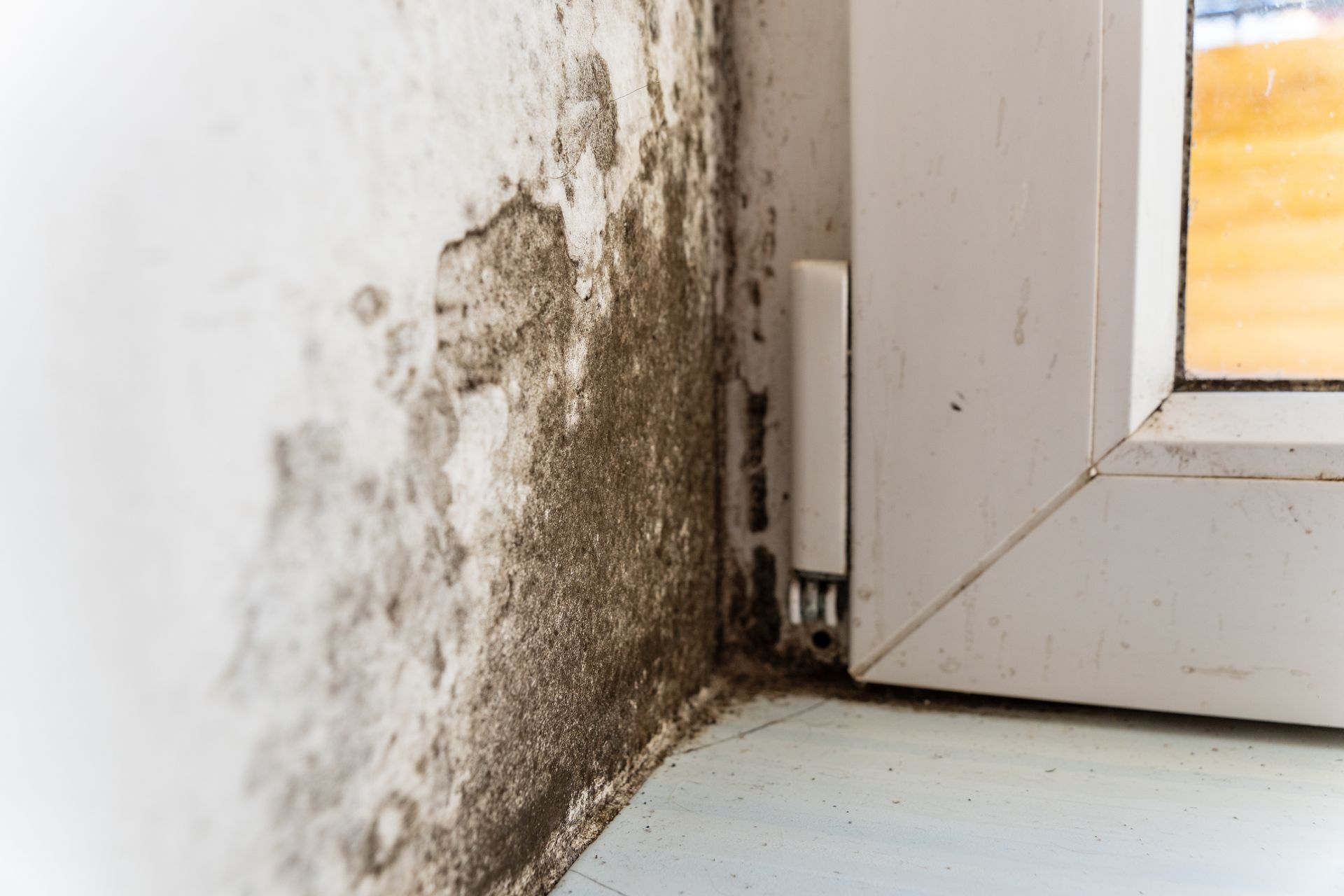
Mitigation protocols prioritize stopping water flow, removing standing water, and reducing relative humidity below sixty percent within the affected area, because mold spores germinate on damp surfaces within two days of exposure. Air movers direct airflow across wet materials to accelerate evaporation, and dehumidifiers extract moisture from the air to prevent condensation from redepositing on drying surfaces. Moisture meters track progress by measuring wood framing and drywall moisture content, and drying continues until readings drop below fifteen percent.
After mitigation completes, you no longer smell musty odors, visible water stains stop expanding, and moisture meters confirm that framing and subfloors have returned to dry conditions. Structural materials that dried within the mitigation window remain stable and do not require replacement, reducing repair costs compared to scenarios where delayed response forces full tear-out.
Full-service restoration capabilities allow permit and timeline coordination during weather-dependent phases, so that insurance claims proceed with documented mitigation steps and repair estimates that reflect actual damage rather than assumptions. Coordination with adjusters includes photo documentation, moisture readings, and material replacement justifications that support claim approvals.
What Property Owners Usually Ask
Homeowners dealing with water damage want to know how quickly mitigation must start, what equipment is involved, and how restoration integrates with insurance claims.
What happens during emergency water extraction?
You see standing water removed using pumps and vacuums, followed by air mover and dehumidifier placement that runs continuously until moisture readings drop below thresholds where mold growth begins.
How long does drying take after a pipe burst?
Drying timelines depend on water volume and affected materials, but most mitigation projects reach safe moisture levels within three to five days if air movers and dehumidifiers operate without interruption.
Why do Northern VA winters increase water damage risk?
Freeze-thaw cycles cause pipes to burst, ice dams force water under shingles, and foundation cracks widen under hydrostatic pressure, creating multiple entry points for water intrusion during winter storms.
What documentation do insurance claims require after water damage?
Claims adjusters expect photo evidence of damage, moisture readings taken during mitigation, and itemized repair estimates that separate emergency mitigation costs from reconstruction work.
How does restoration coordinate with other trades after drying completes?
Once mitigation confirms materials are dry, plumbers repair failed pipes, electricians inspect circuits exposed to water, and carpenters replace damaged framing before drywall and flooring installation restores finishes.
James Lambert Remodeling and Repair, LLC manages water damage from initial emergency response through final reconstruction, coordinating mitigation equipment, insurance documentation, and repair phases without handing off responsibility between contractors. Contact our team to discuss your water damage situation and mitigation needs.